
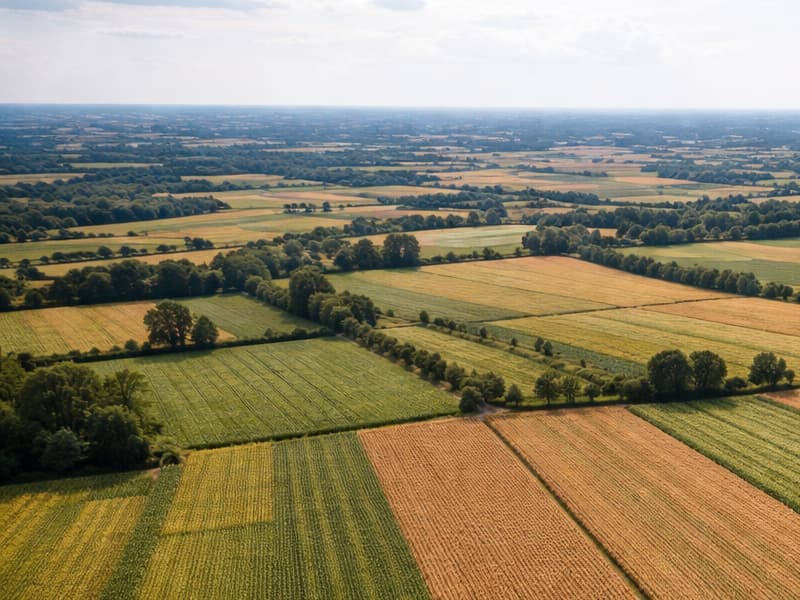
The acquisition of agricultural land is often a strategic decision for farming businesses. Whether aimed at expansion, optimisation, or long-term continuity, the legal status of the land is a decisive factor. Zoning plans, environmental regulations, and existing rights or encumbrances can significantly affect how the land can actually be used.
In practice, not all restrictions are immediately visible. Easements, contractual obligations, or public law limitations may only become apparent after thorough legal investigation. These factors can have a direct impact on the value of the land and on the feasibility of future plans, such as development or change of use.
A structured due diligence process provides clarity on these issues. By conducting legal checks in advance, buyers can assess whether the acquisition aligns with their strategic goals. This reduces the risk of unexpected complications and ensures that investment decisions are made on a solid legal foundation.