
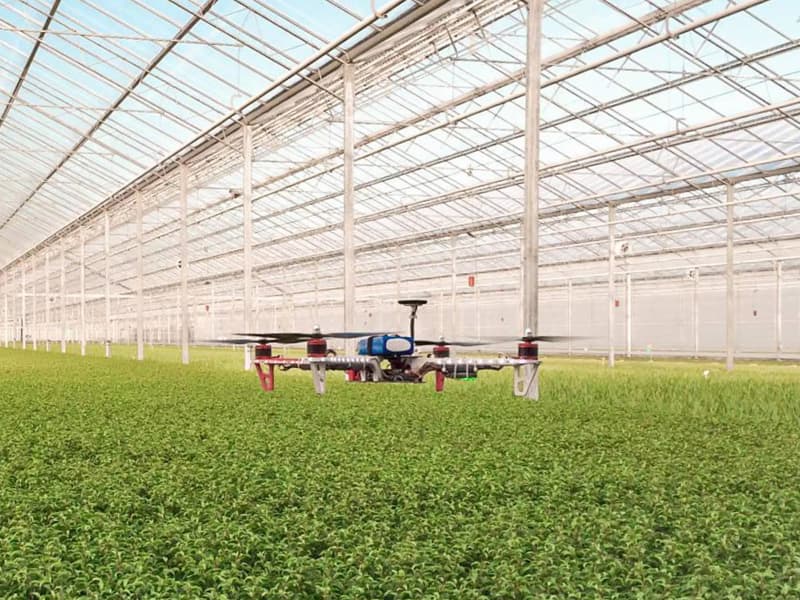
Innovation is becoming increasingly important in the agricultural sector. Technologies such as precision farming, automation, and data-driven systems enable businesses to operate more efficiently and sustainably. However, these developments also introduce new legal challenges.
A key issue is that existing regulations are not always designed for emerging technologies. This may lead to uncertainty regarding permit requirements, liability, and the use of data. Businesses must therefore consider not only the technical and economic benefits, but also the legal framework in which innovations are applied.
Furthermore, implementing new technologies may affect existing permits or obligations. Changes in operations may require reassessment by authorities. By evaluating innovations from a legal perspective at an early stage, businesses can reduce risks and prevent delays or complications in implementation.
Source: TNO – Innovatie in landbouwtechnologie